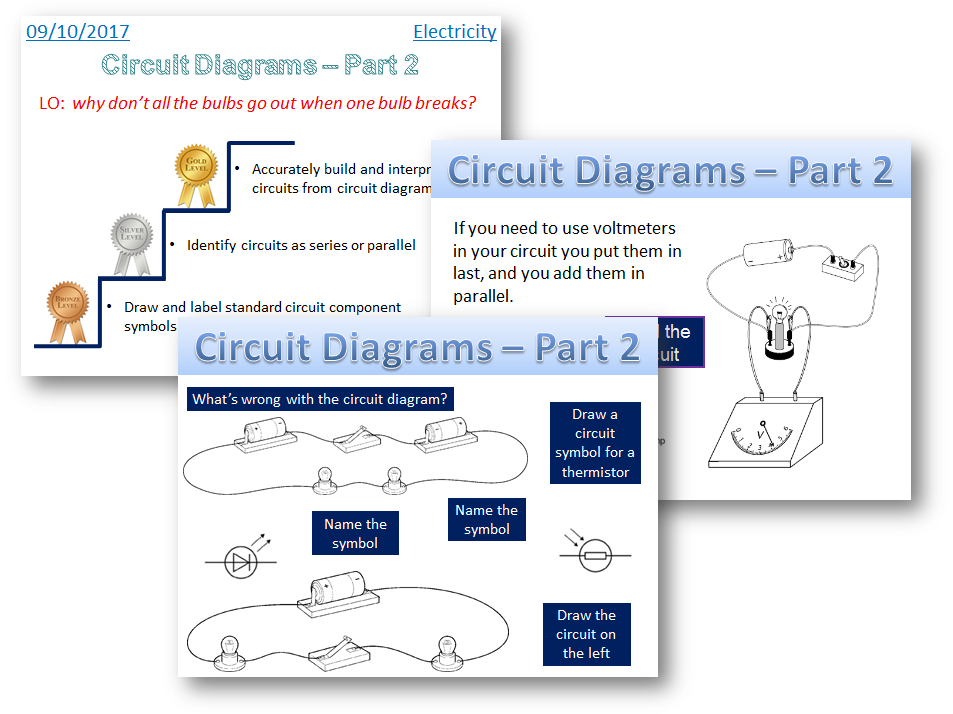
Explain a simple circuit with a circuit diagram Discover the fundamentals of circuit diagrams, including how to read them and interpret various circuit components. Explore practical examples and understand the symbols used to denote batteries, resistors, voltmeters and more.
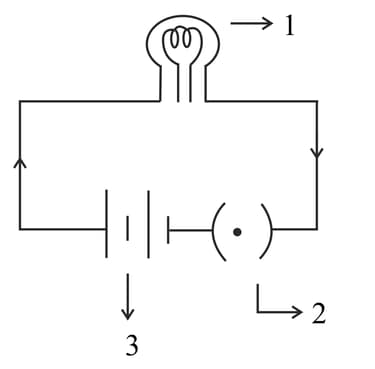
The article explains the fundamental components of an electrical circuit, including the source, load, and conductors, and covers key concepts such as voltage, current, resistance, and the differences between AC and DC currents. Additionally, it discusses electron flow theory, series and parallel connections, and provides insights into how materials affect electrical conductivity.

Circuit Diagram: Definition, Components, Types, Example
For instance, if a circuit has four resistors, the first resistor will be labeled "1", the second resistor will be labeled "2", and so on. By understanding circuit diagrams, you can gain a better appreciation of the devices that surround us. Learn the basics of electrical schematics, including symbols, diagrams, and how to read and interpret them. Get started with Electrical Schematics 101.
A circuit diagram is a representation of an electrical circuit, therefore, its components are similar to that of an actual circuit. These components help in understanding and analyzing the circuit diagram in a better way.

Circuit Diagram: How To Read And Understand Any Schematic
Learn to read and understand any circuit diagram. There are only a few things you need to know, then you can build whatever circuit you want.